
Jetting trucks
The JetVactor: jetting and vacuum on one truck, for mains, manholes, and the biggest jobs.

Clogged drains and blocked pipes. We clear them all. Jetting, snaking, and cameras, from a kitchen line to a city main, with someone always on call.
Tell us the address and what needs service. We'll get back to you with a quote.
Emergency blockage or preventive maintenance, the first job is matching the machine to the pipe.
High pressure water takes grease off the pipe wall and clears the organic buildup where flies and larvae live. The machine changes with the pipe and the access.
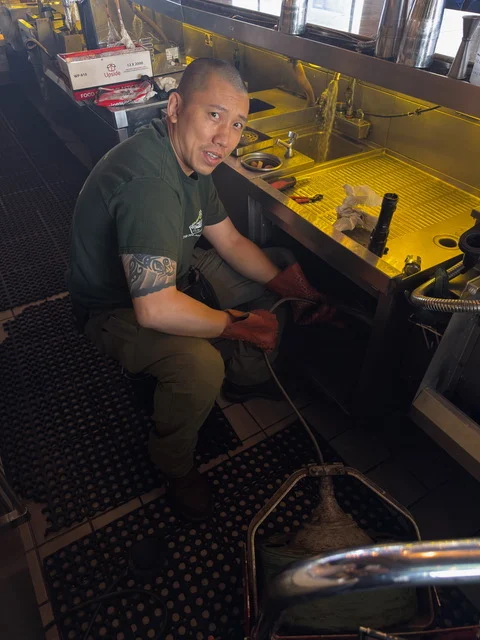
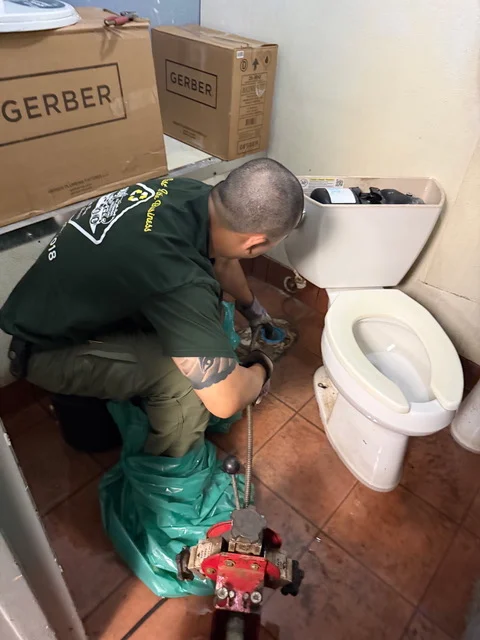
Some lines want a cable and a cutting head instead of water. We run a Sink Gun and Spartan 100, 200, 300, and 1065 machines, matched to the line and blockage.
It shoots. It pumps. It does it all. High pressure jetting breaks the material loose, and the vacuum takes it out on the same truck.
We can show you where the problem is without digging up one grain of dirt. A waterproof camera looks for breaks, separations, roots, and back-pitched lines. We don't start with the camera. It goes in when a line keeps backing up after it's been cleared, so you find out why.
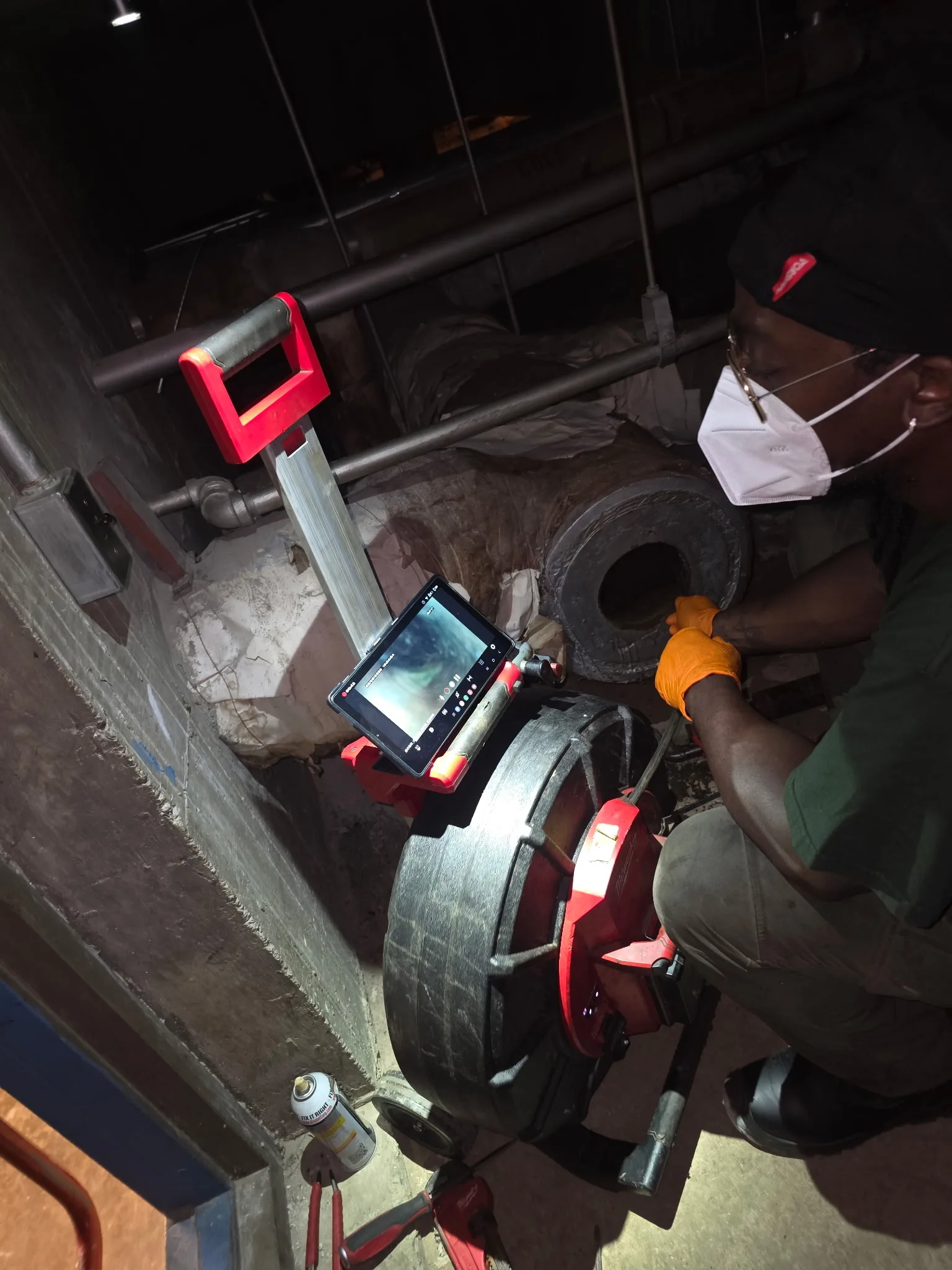
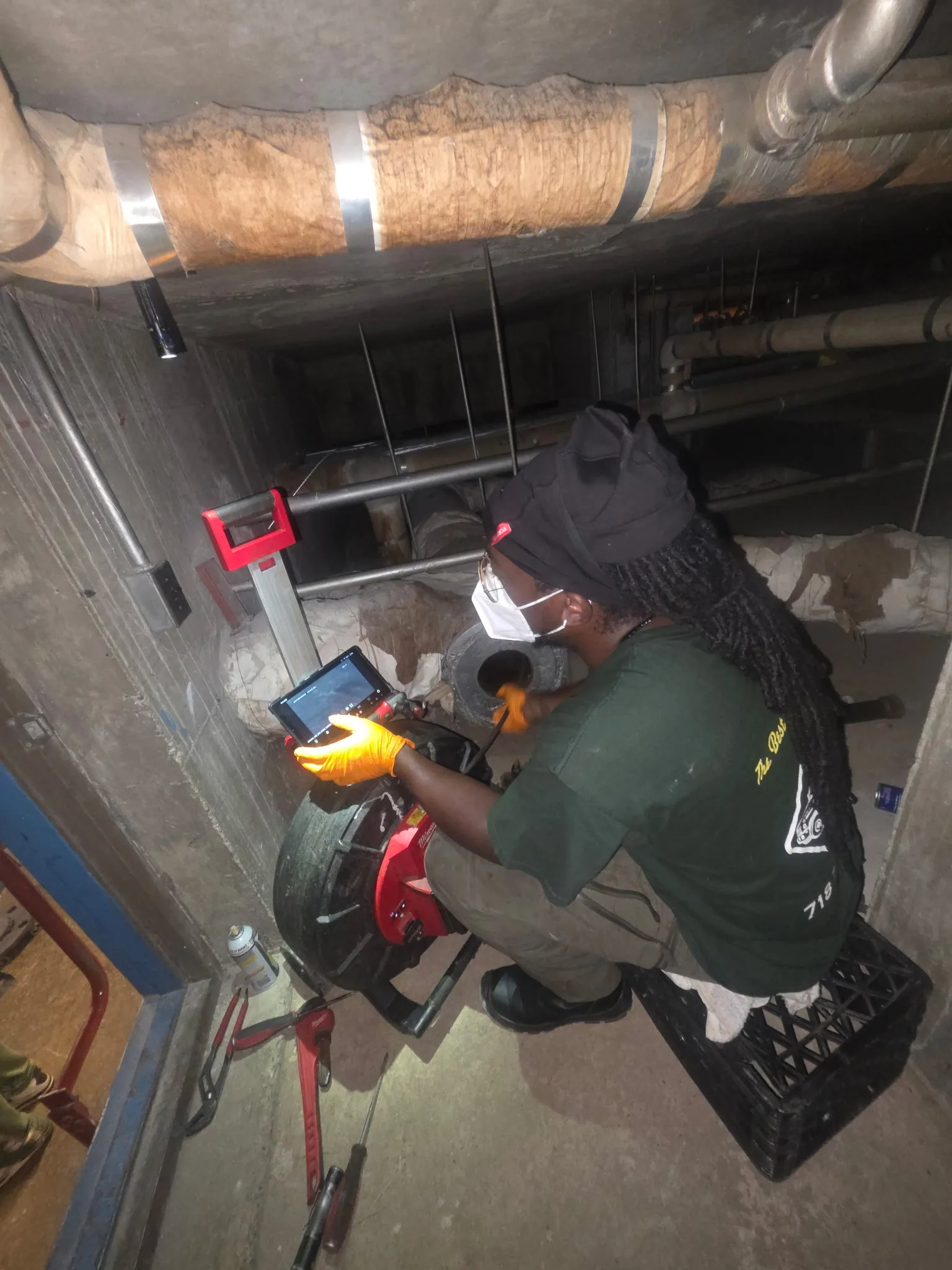
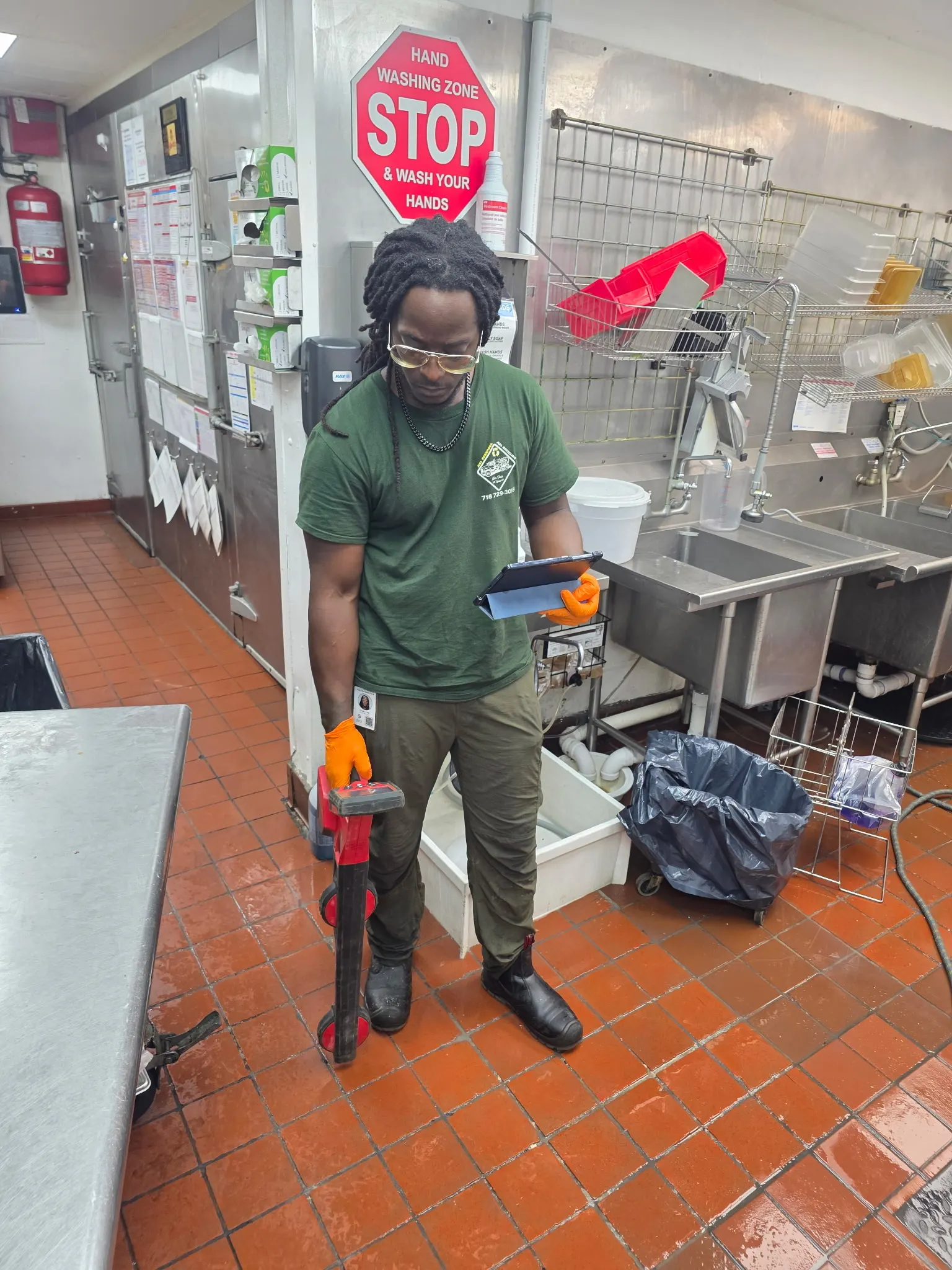
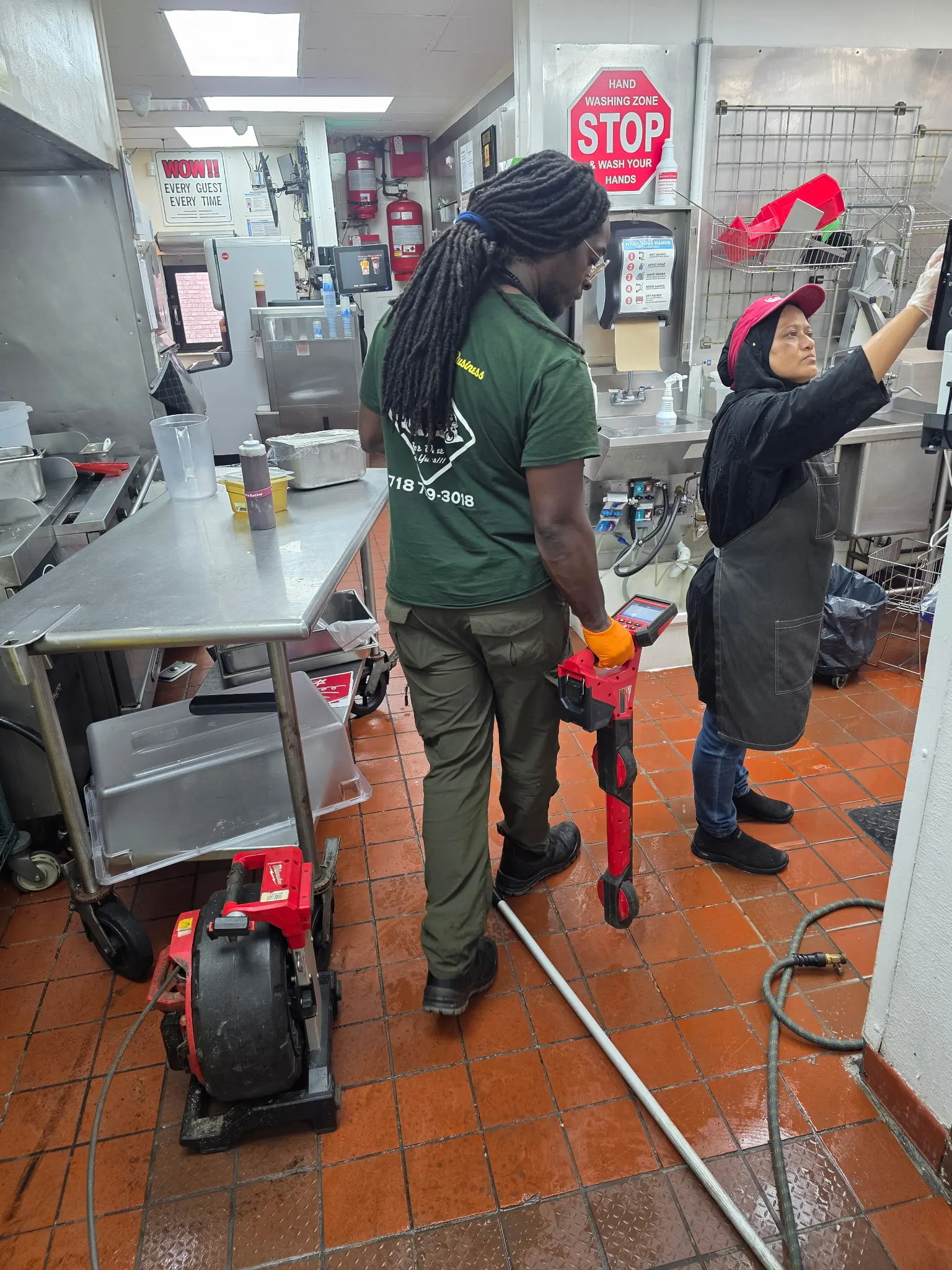
When the camera finds the break, the next question is where to dig. The camera head carries a transmitter; a locating machine on the surface reads it and marks the spot and depth on the ground above.
Colored dye gives a hidden line something visible to follow. We use it to trace where a line runs, confirm where it flows, or find where water is escaping.
Water or steel, matched to the pipe and the blockage. Water jets cover 1½- to 24-inch pipe. Electric rodding covers ½- to 10-inch lines.
The JetVactor: jetting and vacuum on one truck, for mains, manholes, and the biggest jobs.
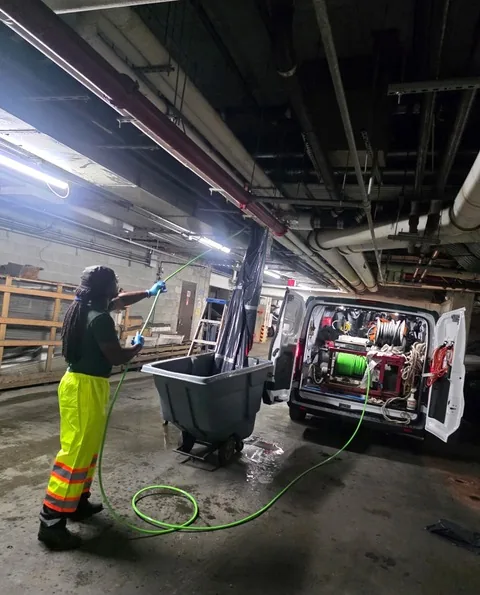
Trent Paul runs the van jet from inside a building. Portable jets cover the tighter access.
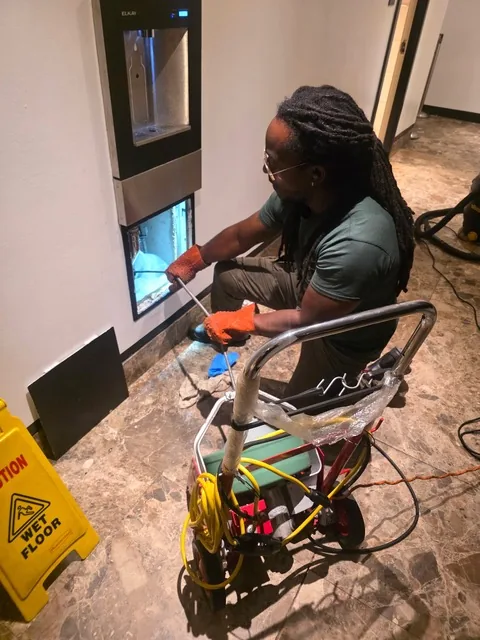
A Spartan 100 clears a blocked drain when a cable and cutting head are the right tools.

The recorded look down the line, and the locator that marks where to dig.
“Their office found us the earliest possible appointment each time we called, their techs have always arrived during the expected window, were clear when explaining what they were doing, and when the camera was run they walked us through the video and their findings. They'll be my first call from now on.”
“When my commercial space started backing up water, A&L saved us. No one knew what was causing it, and their techs were able to trace it all and fix the problem on the spot. They were able to trace it back to an issue with the municipal system, and saved me thousands.”
“The two mechanics, Edgar and Dupree, came at the exact time they said they would be there and cleared my house trap, which was not an easy task, but they worked until it was done. Professional, clean, courteous to say the least.”
There's always someone on call, day and night. Tell dispatch what's backing up and where.
Snaking opens a hole through the blockage. Jetting cleans the pipe wall, so grease and roots take longer to come back. We match the tool to the line.
The pressure is matched to the pipe. No digging, no drilling, no damage. When a line is too far gone for cleaning, the camera shows you that too.
Most systems do well on an annual cycle. Grease-heavy lines and old trees run shorter. A camera run tells you the real cycle.
Yes. Sinks, floor drains, house traps, risers, and the main, under occupied buildings, without opening the place up.
Water jetting covers 1½- to 24-inch pipe with portable jets, van jets, or the JetVactor. Electric rodding covers ½- to 10-inch lines with the Sink Gun and Spartan machines.
Call dispatch with the address and what's backing up. For scheduled service, send the quote form and we'll come back with the cycle.