Summer is one of the busiest seasons for restaurants in New York City. Warmer weather brings larger crowds, outdoor dining, seasonal events, and longer business hours. Restaurants throughout Manhattan, Brooklyn, Queens, the Bronx, and Long Island often see a major increase in kitchen activity during these months. While higher customer traffic can increase revenue, it also creates a growing challenge that many restaurant owners underestimate: grease trap management.
As kitchens become busier during the summer, grease traps and plumbing systems experience additional strain. Cooking oils, fats, and food waste build up much faster than usual, especially in restaurants that rely heavily on grills, fryers, and high volume meal preparation. Without regular maintenance, that buildup can lead to clogged drains, foul odors, wastewater backups, and costly interruptions to business operations.

Grease trap cleaning
Why Summer Increases Grease Trap Challenges
Proper grease waste management is essential for keeping commercial kitchens clean, compliant, and fully operational during the busiest season of the year. Restaurants that stay proactive with grease trap cleaning and waste removal are far less likely to experience plumbing emergencies or health code violations. Summer heat can make grease related issues even worse. Higher temperatures accelerate the breakdown of food particles and grease inside traps and interceptors, creating unpleasant smells that can spread throughout kitchens, dining areas, and surrounding properties.
Customers dining outdoors are especially sensitive to odors during warm weather, making proper maintenance even more important for preserving a positive customer experience. Another common issue restaurants face during the summer is slow drainage. Grease hardens inside pipes over time and restricts water flow. Increased kitchen usage can quickly turn minor buildup into serious blockages that interfere with daily operations. In a fast moving city like New York, even a short interruption in service can affect revenue, staffing, and customer satisfaction.
Staying Compliant with NYC Regulations
New York City restaurants must follow strict environmental and health regulations regarding grease disposal and wastewater management. Failure to maintain grease traps properly can result in fines, failed inspections, or temporary shutdowns. Many restaurant owners discover that preventive maintenance is far more affordable than dealing with emergency repairs or compliance penalties later. The frequency of grease trap service depends on the size of the restaurant, the amount of daily cooking, and the type of food being prepared.
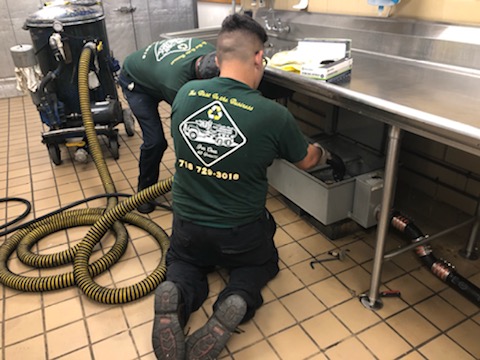
During the summer months, many restaurants require more frequent pumping and cleaning because of the increased demand placed on kitchen systems. Establishing a routine maintenance schedule helps reduce the risk of overflow and plumbing damage. AL Cesspool provides professional grease waste management services for restaurants throughout NYC and Long Island. Our experienced team helps commercial kitchens stay compliant and prepared during the busiest times of the year. We understand the unique challenges restaurants face during the summer season and provide dependable service that helps businesses avoid unnecessary downtime.
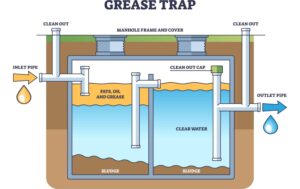
How it works
Best Practices for Commercial Kitchen Maintenance
Restaurant owners can also reduce grease related problems by training kitchen staff on proper disposal practices and monitoring grease trap levels regularly. Cooking oil should never be poured directly into drains, and maintenance records should always be organized and accessible for inspections. Staying ahead of grease buildup can protect plumbing systems and help restaurants maintain smooth daily operations.
Summer can be one of the most profitable seasons for NYC restaurants, but increased business also means increased responsibility. Investing in professional grease waste management helps restaurants stay clean, efficient, and ready to handle the demands of a busy summer schedule. Partnering with a reliable service provider ensures that your grease traps are cleaned properly and your business remains in good standing with local health departments.